WHY IS DRUG AND ALCOHOL TESTING PERFORMED?
When allegations or known histories of substance abuse are involved, the stakes are amplified, demanding concrete evidence to ensure the safety and well-being of the children involved. In the family law landscape, remote DNA-verified drug and alcohol testing has emerged as a crucial solution, offering family law stakeholders to conveniently and reliably test for more substances than alcohol only.
CHALLENGES OF DRUG AND ALCOHOL TESTING IN FAMILY LAW
Family law drug and alcohol testing requires forensically defensible results, in conjunction with flexibility and convenience for the individual(s) testing. As child custody is typically involved, it also necessitates the need for the most accurate testing to be performed anytime, anywhere, with fast results.
For these reasons, drug and alcohol testing is often difficult due to:
Work obligations
Parental responsibilities
Poor collection site access and opening hours
Travel (i.e., often away from home area)
Use of attorney’s not based in their locale
IMPORTANT CONSIDERATIONS WHEN CHOOSING A DRUG AND ALCOHOL TEST
Laboratory Accreditations: It is highly recommended that family law stakeholders use a specialized forensic drug and alcohol testing laboratory accredited by SAMHSA and/or College of American Pathologists (CAP) forensic drug testing program.
Substances Tested: Majority of testing options currently available only detect a limited number of substances. And for remote options, breathalyzers only detect alcohol which creates significant gaps in monitoring.
Strong chain-of-custody procedures: These ensure the test results are accurate and legally defensible.
DRUG AND ALCOHOL TESTING OPTIONS
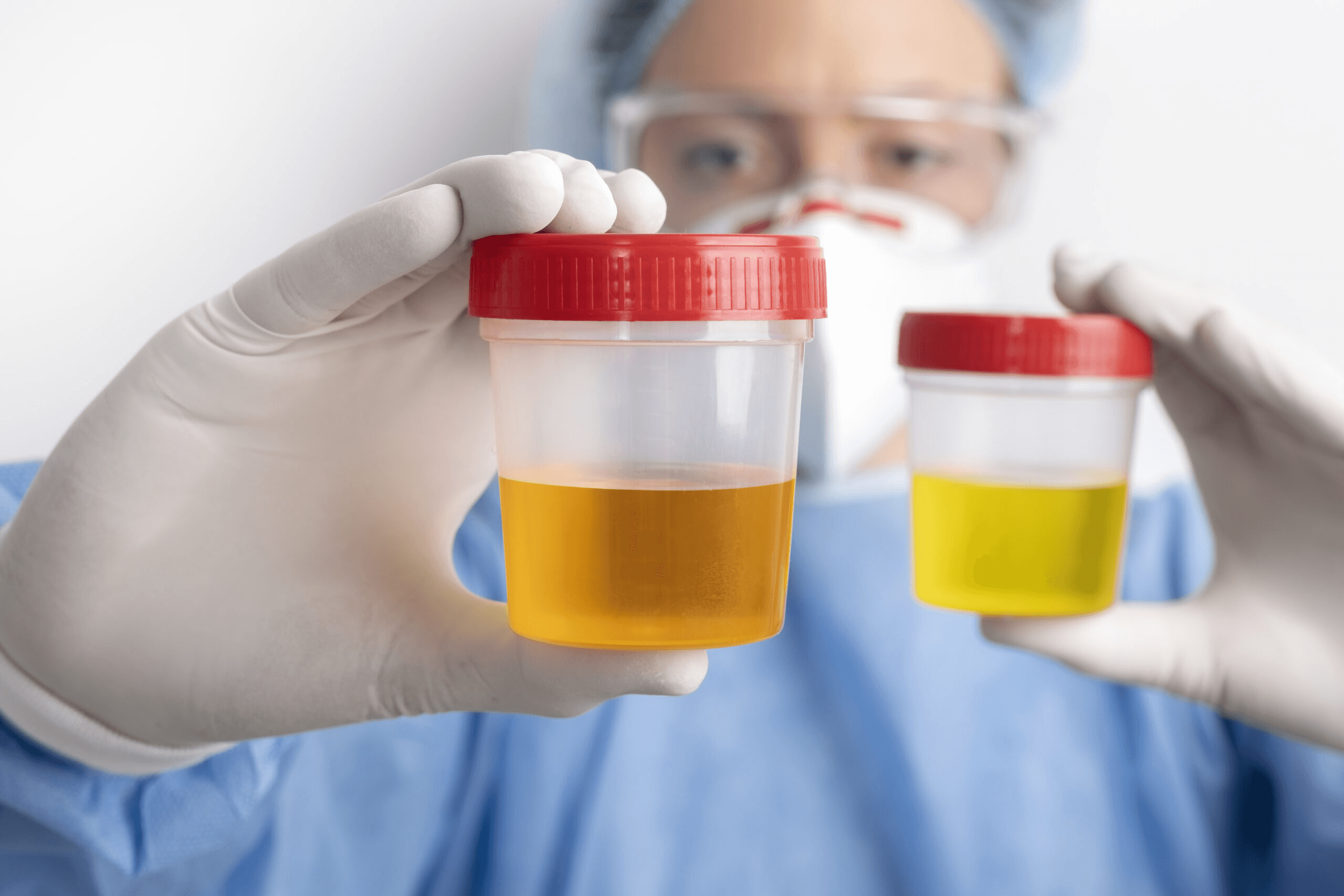
Urine Testing is considered the ‘gold standard’ specimen type for forensic drug testing. It has good detection windows, is relatively inexpensive, easy to produce, and is legally defensible with many years of case law and forensic chain-of-custody processes involved. However, it is susceptible to tampering and substitution if the urine collection is not observed by an independent collector.
Oral Fluid (Saliva) Testing - also requires human-observed collection but is less invasive than urine testing. However, the detection windows are much shorter than urine testing and fewer substances can typically be tested, which can open gaps in monitoring.
Hair/Nail Testing - is most applicable for abstinence monitoring where testing frequency is low. While it has very good detection windows, substance use can go undetected for a very long time, as testing is typically not performed regularly. The testing is often very expensive as well.
Blood Testing – is particularly good at detecting recent drug consumption and historical alcohol consumption through detection of PEth (Phosphatidylethanol). PEth is a unique alcohol biomarker that can be detected in blood for up to 45 days after alcohol consumption.
Breathalyzer Testing (Alcohol Only) - provides a convenient method to test for current impairment due to alcohol consumption. However, the detection window is about 4 hours, meaning high-frequency testing should be performed (including throughout the night) to ensure adequate monitoring. Results are not legally defensible, and typically follow-up urine or blood testing is required to confirm a positive breath test.
WHY REMOTE DNA-VERIFIED TESTING IS THE PERFECT TEST FOR FAMILY LAW
In the complex landscape of family law which requires accuracy and convenience, remote DNA-verified urine drug and alcohol testing emerges as the leading solution. By adding forensic DNA verification and synthetic urine detection technology to ‘gold standard’ urine drug testing, U-VERIFY™ testing enables stakeholders to monitor individuals for drug and alcohol consumption from anywhere in the USA at any time.
Specific to U-VERIFY™ testing, more than 70 substances are included with some of the notable substances:
EtG and EtS (alcohol metabolites)
Cocaine
Benzodiazepines
Kratom + 7-OH-Mitragynine
Ketamine
Fentanyl