
San Francisco, CA
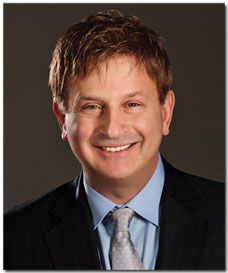
Steven Stoltz
- Divorce and Separation
- Child Custody and Visitation
- High Asset | High Net Worth
- Complex Divorce
- Mediation
- Prenuptial and Postnuptial Agreements
- Amicable Divorce
Steven Stoltz has practiced family law in San Francisco since 1980, after graduating from the University of San Francisco School of Law. His practice emphasizes settlement-focused representation in high-conflict and high-asset divorce and custody matters, and he…
Read more
- 46 years' experience
- Accepting new clients
About
Steven Stoltz has practiced family law in San Francisco since 1980, after graduating from the University of San Francisco School of Law. His practice emphasizes settlement-focused representation in high-conflict and high-asset divorce and custody matters, and he also serves as a private judge, mediator, parenting coordinator, and discovery referee in family law disputes.
Practice areas
- Divorce and Separation
- Child Custody and Visitation
- High Asset | High Net Worth
- Complex Divorce
- Mediation
- Prenuptial and Postnuptial Agreements
- Amicable Divorce
Awards & recognition
- Super Lawyers, Family Law, San Francisco, 2008–2026
Contact info
Bar admissions
- California, 1980
- Bar no. 96121
Education
- J.D., University of San Francisco School of Law, 1980
Service offers
- Accepting new clients
Ready to connect with Steven?
- Pre-screened & verified attorneys
- Completely confidential
- Free to search, no account required
- Exclusively divorce specialists
Questions
Frequently asked questions about divorce in California
Steven Stoltz is a Pro member of DivorceLawyer.com. Pro members pay a membership fee to publish here; membership is not an endorsement or a ranking.
Are you a family lawyer? Your story is your edge.For lawyers