The Sobriety Factor – Trust, Technology, and Custody Battles

OVERVIEW
In this episode of the DivorceLawyer.com podcast, Rob Roseman speaks with Chris Beck, VP of Business Development at SoberLink, about the critical role of alcohol monitoring in custody cases during divorce. They discuss the emotional impact of alcohol use on families, the importance of data in proving responsible parenting, and the misconceptions surrounding alcohol monitoring technology. Chris shares a touching story of how SoberLink helped reunite a family and emphasizes the need for education among family law professionals to better support parents and children during divorce.
HIGHLIGHTS
- Alcohol is often a hidden factor in divorces.
- Real data can help earn trust back in co-parenting.
- SoberLink provides transparency in alcohol monitoring.
- Misconceptions about alcohol use disorder hinder recovery.
- Relapse is common and should not end parental rights.
- Children benefit from having both parents involved.
- Trust takes time and is built through consistent actions.
- Education for attorneys is crucial in family law cases.
- Technology can empower parents to demonstrate sobriety.
- The focus should always be on the well-being of the children.
TRANSCRIPT
Rob: All right, welcome to the DivorceLawyer.com podcast. Today we are lucky to be joined by Chris Beck. Chris is the VP of Business Development at SoberLink, helping family law professionals use modern alcohol monitoring to protect kids in custody cases.
Chris, thank you for being here today.
Chris: Hey, thanks for having me on, appreciate it.
Rob: Of course, yes, we have, we have spoke before and we see this a lot where alcohol is such a big kind of factor that’s not talked about in divorces. So I think anybody that’s listening that has gone through it or they, you know, they have drinking problems, their ex has drinking problems. It’s a real like visceral emotional feeling. Is that something you see when you talk to a lot of parents that are going through this?
Chris: Absolutely. It’s amazing how quickly when there are accusations of abusive drinking, how quickly relationships dissolve or just get in a bad place. And yeah, I see it every single day now.
Rob: Yeah, and it’s one, it’s I always say it’s one thing when you’re married and you’re living with it, but that’s the thing once people are getting divorced, all of a sudden they don’t know what’s going on in the other house and you know, the fear of like what is happening with my kids. So I’m excited to talk to you about today about, about sober like and how it really helps with that, that peace of mind.
Chris: I agree with that Rob. Yeah, let’s get started. Awesome.
Rob: Alright, first question we have Chris. What is the biggest mistake people are making when they’re trying to prove that they’re responsible parent after divorce?
Chris: Well, think the biggest mistake that people use while trying to really prove that they’re a responsible parent after divorce is confusing what is real data from like an anecdotal information. And that itself brings a lot more questions. So if you can do something where you’re documenting information time in and time out when you’re not with your ex anymore, that’s really going to help, you know, earn some of that trust back.
And with divorce, it’s always a lot of he said, she said, once you get to that point. And if you can have actual data to back things up, it really helps earn that trust back.
Rob: So when you say data, that’s a lot of what SoberLink helps provide. SoberLink is technology. How does technology help in this going from anecdotal to like real results?
Chris: Yeah, no, that’s great. And I think that going from the end of the day to real data is really important because it changes the whole narrative of the conversation around alcohol abuse. And what is usually a negative stigma can be removed when you have real data. Instead of the questions being from your ex maybe like, did you drink last night or how many drinks did you have? The questions like that are very negative.
But when we change that narrative, because we have real data that sobriety is being documented, we can have more empowering statements like, you know, good work on that testing last week, or, you you did really well last week, keep it up, this is great to see.
So the conversation changes, and I think the interaction between the two parties really becomes more positive.
Rob: I like that you always talk about like, reframing it in a positive light where it’s not accusatory. And that’s such a common thing in divorce, especially with co parents who even if they’re amicable, they just have no transparency as to what’s going on. And it seems like sober like kind of just like, you know, pulls the veil away, gives you transparency, and it gives you the ability to be constructive and positive.
Chris: I love that word Rob, transparency. That is key. I love that. That’s really what we’re after in this whole situation. for sure.
Rob: What is, so people have their probably misconceptions like, a breathalyzer, they get pulled over. What’s a common misconception that people have about alcohol monitoring after divorce?
Chris: I guess the most common misconception that I see about alcohol monitoring is that I think people don’t see alcohol use disorder as a disease. And I think it kind of is taking a step back. know, people are like, it’s a moral failing. You know, you don’t want to stop drinking to see your kids and you know, Hey, that’s not good. You know, well, that’s not really the case. Alcohol use disorder is a mental disorder.
You know, it’s diagnosed in the DSM-5. It’s one of those things where people need to understand, you know, and even relapse itself when we’re actually in the process of monitoring. Relapse is probably going to happen. I mean, the stats say that 70 % of those who are going through recovery are going to relapse, are going to have an episode of relapse. And now with technology like SoberLink, we can catch those instances quickly, you know, and then come back and say, okay, well, let’s start over or let’s get back on the program and understand what’s happening. And as long as we are understanding of that situation, I think that’s what’s really gonna move the program along. So I think that’s an important piece.
Rob: Yeah, I hadn’t even thought about that because like you said, relapse is going, it’s just a fact. It’s an inevitability and with alcohol and it’s a shame to say, you relapse once, you’ll never see your kid again because I don’t trust you. Is that something you see a lot?
Chris: Well, I see that try to be played out in some orders or parenting plans. And we do a lot of education across the country about how to react to positives and any mistests. And one thing we never want to do is take kiddos away from their parents. We see that a child who is raised by co-parents has a much better success percent in the future.
We don’t wanna see parents being taken away, especially for a disease like alcohol use disorder. So we hope our technology can help empower that individual and get that parent back in that child’s life. So that’s really a big goal of ours.
Rob: I like that. What, I’m putting you on the spot here. Is there one, one powerful, memorable story that you’ve seen where Soberlink helped reunite a family?
Chris: Gosh, you know, I did see one story come through that I really like and it has to do with a little girl. She was probably about 12 to 13 years old, somewhere around there. And she understood her father had a problem with abusing alcohol. And what happened was dad and mom had a very open conversation with the daughter about the problems that were happening.
And they actually introduced the SoberLink device to her so that she could see what is helping dad through this situation. And the conversation went so well that the daughter actually grabbed the device from dad and bedazzled it. I don’t know if you’re familiar with bedazzling, but put a bunch of charms on it and stuck them on the actual device. And I thought it was really cute to see and hear about because she knew that if dad came with that device and was able to use that on a regular basis, she would be able to have time with her dad, valuable time that is needed for her development. And she was old enough to understand and the conversation was age appropriate, which was great. And I loved it.
Rob: I like that story too, because it’s coming from a perspective we don’t hear as much about is the 12 year old kid’s perspective. It’s not just like the parents antagonizing each other. You didn’t do this. It’s like, really, what is this about? It’s about the kids. like, I love how like seeing the emotional impact that it can have on the 12 year old daughter that really just wants to spend time with her dad.
Chris: That’s absolutely correct. You it’s about the kiddos at the end of the day.
Rob: If you could tell parents that are going through divorce one thing about trust, what would it be?
Chris: Tell a parent one thing about trust. If I could tell them one thing about trust, what would that be? That’s an interesting one. And I think really what it comes down to is that trust takes time and it’s earned. I once had a psychologist that told me that it takes a couple of years to repair the damage in a relationship, especially from scars of alcohol abuse in the relationship.
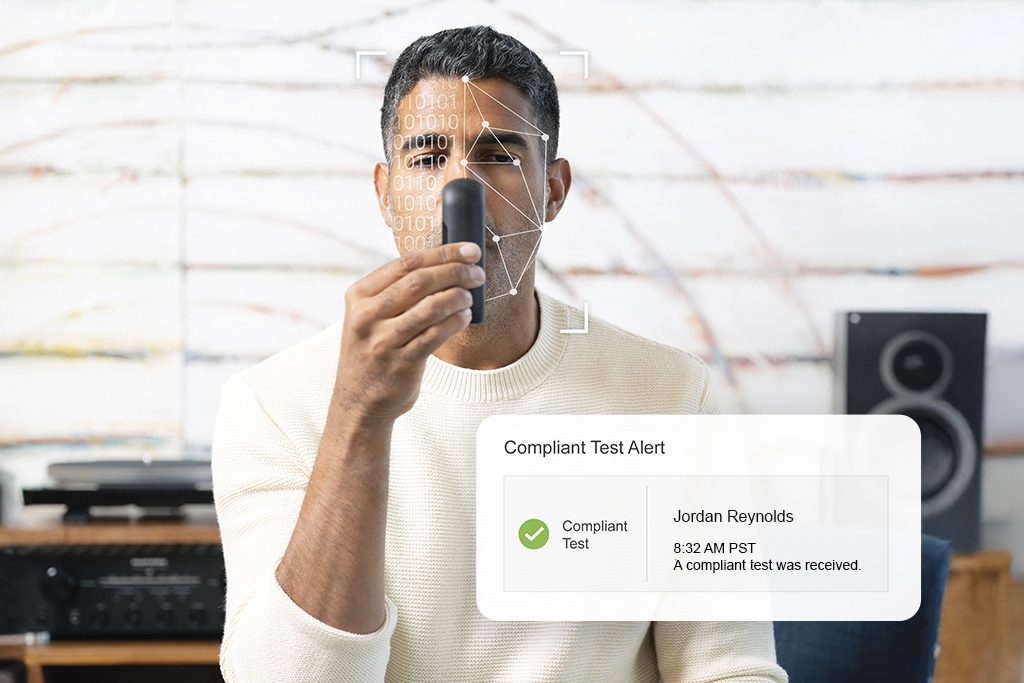
But when you use technology like SoberLink that gives you real-time data about sobriety, these scars can be mended and repaired much faster. I think that’s a key part of good technology being used. So I guess if alcohol monitoring is needed to gain that trust back in a relationship, make sure you’re using a system that is trusted amongst attorneys across the country like SoberLink. We use facial recognition software to confirm identity of each and every test that is taken with our system. And we have internal tamper detection technology that we invest a lot of money in to make sure that each and every test is actually a real breath test and it’s not being gamed by the individual. So you can be assured and have peace of mind that, you know, these tests are accurate. So that’s really important, but that’s the kind of thing, the right technology. Having real time results documented in which is real data, that’s gonna earn the trust back.
Rob: Well, and that’s why these conversations and even these clips that we’re seeing on social media, it’s so important because I feel like a lot of people, do you see it? It’s just a lack of awareness that technology like this exists, a lack of education. Is that one thing that you find that like makes people wait too long to even explore technology like SoberLink?
Chris: Yeah, so why do people wait to explore? And that’s a good question for us because our initiative this year is really educate family law attorneys across the country. we actually are putting together education programs that people can sign up for, especially attorneys, to learn more about what we do and how we empower those individuals that are struggling with alcohol use disorder.
I always ask attorneys to go to family law at soberlink.com to actually sign up for these educational programs. you’re right, some of the individuals are like, hey, I don’t have a problem. And I think that’s one of the issues, is that individuals are still in denial about their issues. I always remember the scenario of when we’re together in a marriage, the parents actually use each other as natural monitoring systems when we’re out drinking or whatnot, or we’re having dinner. But when we’re separated, those natural monitoring actually go away. And so it’s much easier to have a couple extra drinks when you have no one kind of, you know, regulating your use, right? So that’s something that I always see, but I always have to remind individuals that at the end of the day, at the end of the day,
It’s all about those kiddos. It’s all about mending the relationship with those kids and making sure that each of the co-parents are part of those kiddos’ lives. That’s going to lead to the best success. We have to put our, you know, disagreements aside in the relationships that we might have and really make sure we focus on those kiddos.
Rob: And I like what you brought up there too, a lot of the education actually, well, we’d like to educate parents about this, it almost starts with the lawyers and really getting them to present this option. Because when you’re going through divorce, you’re in such a fog, you just want to get it done. You don’t even know that this is a thing. So it’s interesting how like educating the lawyers bringing more awareness to this can benefit their clients.
Chris: Yeah, that’s what we’re seeing is that, you know, we’re just another tool to their toolkit, right? It’s got a lot of toolkits that they can draw from, but when they have a case where their client or opposing counsel’s client, you know, is having an issue with alcohol use disorder, we can come in and actually educate both of the attorneys and make sure that we put, you know, the client on the right program to make sure that, you know, it’s successful for both parties.
Rob: Right. It’s like you said, it is all about the kids, but that starts with the parents and then it starts with the attorneys. your guys are almost like reverse engineering. How can we have the most impact to help kids?
Chris: Yeah – You’re absolutely right.
Rob: Well, Chris, you mentioned it there earlier. Let people know how they can connect with you and how lawyers can connect with Soberlink.
Chris: Yeah, so people can always connect with us and learn more about soberlink at soberlink.com. If you are a professional, a family law professional out there, you can always write familylaw@soberlink.com and, you know, get maybe more education around our system. Be happy to do that at any time. But again, my direct email is cbeck@soberlink.com.
You can reach out to me anytime and I’ll point you in the right direction or maybe we can even schedule a lunch and learn or something like that where I can talk a little bit more about SoberLink and what we do.
Rob: Chris, thank you so much for being on DivorceLawyer.com Podcast today.
Chris: Rob, thanks for having me on. I always appreciate it. Good to see you again.
The DivorceLawyer.com Podcast with Rob Roseman, Featuring Chris Beck, VP of Business Development Family Law – SoberLink
Contact Information – Find SoberLink online here, SoberLink.com or at the Family Law Section here, SoberLink Family Law Help Center.


Stay in the Know
Discover Related Articles










































































Introductions, no pressure
Connect with a Top Divorce Attorney
in Columbus, OH
Go to Columbus, OH page
Are you in a different location? We can introduce you to the best family lawyers in your area